
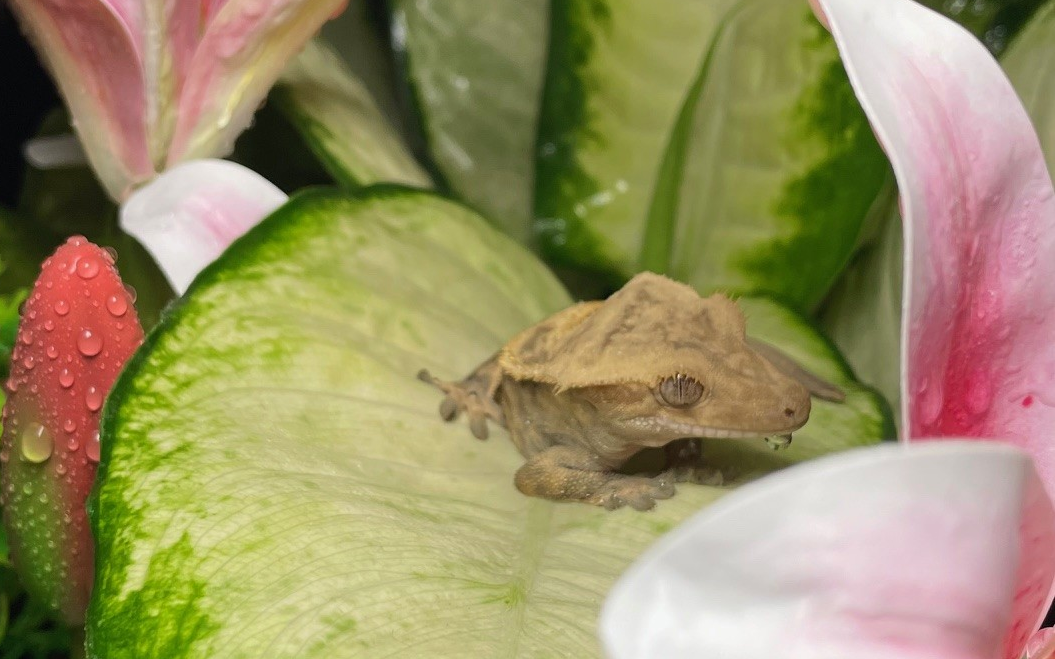
For us, reptiles are not just animals we keep — they are living connections to nature itself. Every scale, behavior, and environmental need tells a story about evolution, ecosystems, and survival. Living with reptiles has taught us respect, patience, and responsibility, and it has completely changed how we see the natural world.
Understanding Nature Through Science
Reptiles are highly specialized animals. Their temperature regulation, behavior, and biology are directly shaped by their natural habitats. Keeping reptiles responsibly means understanding these scientific foundations — thermoregulation, humidity cycles, UV exposure, nutrition, and behavior. When we recreate these conditions correctly, we don’t just keep animals alive; we respect millions of years of evolution.
Protecting Wild Populations
One of the most important aspects of responsible reptile keeping is choosing captive-bred animals. Ethical breeding reduces pressure on wild populations and helps prevent illegal wildlife trade. Science has shown that overcollection can destabilize fragile ecosystems — responsible keepers actively work against this by supporting sustainable practices.
Learning Creates Respect
When you care for a reptile properly, you learn to observe closely. You notice subtle behaviors, seasonal changes, and individual personalities. This knowledge creates empathy. People who truly understand reptiles are far more likely to support conservation, habitat protection, and science-based animal welfare.
A Personal Responsibility
Keeping reptiles the right way changes you. It teaches humility — these animals do not adapt to us; we must adapt to them. Every correct temperature gradient, every well-planned enclosure, is a reminder that nature has rules we must respect. This mindset carries over into how we treat the environment beyond our homes.
Changing How the World Sees Reptiles
Reptiles are often feared or dismissed. By caring for them responsibly and sharing knowledge, we help change this narrative. Education and visibility replace fear with understanding — a key factor in long-term conservation success.
A Bridge Between Captivity and Conservation
Responsible reptile keeping stands at the intersection of science, ethics, and passion. It connects private individuals with global conservation issues and reminds us that protecting nature starts with understanding it.
For us, keeping reptiles responsibly is not about ownership — it is about stewardship. And stewardship is one of the most powerful tools we have to protect nature.
No responses yet